



El Presidente
-
Posts
48,761 -
Joined
-
Last visited
-
Days Won
1,127














El Presidente's Achievements

Pelo De Oro (5/5)
-
Does Rubio have a point??
El Presidente replied to VeguerosMAN's topic in Cigars Discussion Forum "the water hole"
Tongue in cheek Diaz should have issued a meme coin.😉 ...The day all these buffoons are gone the better. -
FOH'ers Daily Smoke
El Presidente replied to El Presidente's topic in Cigars Discussion Forum "the water hole"
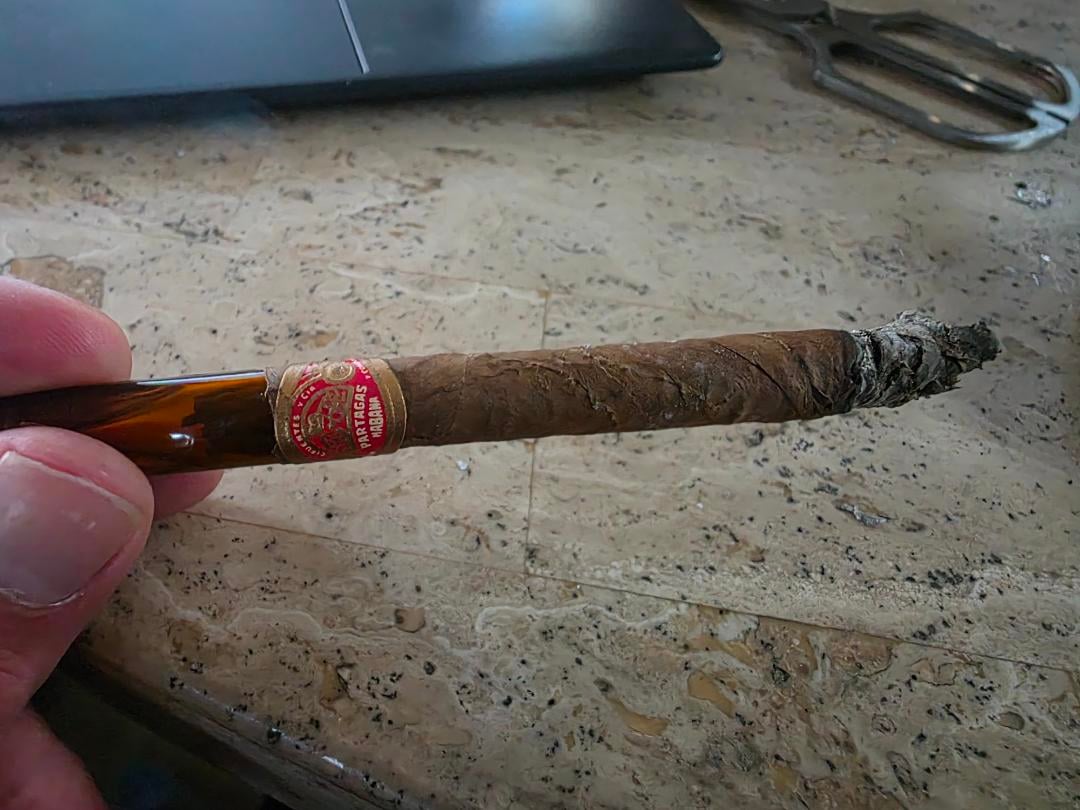
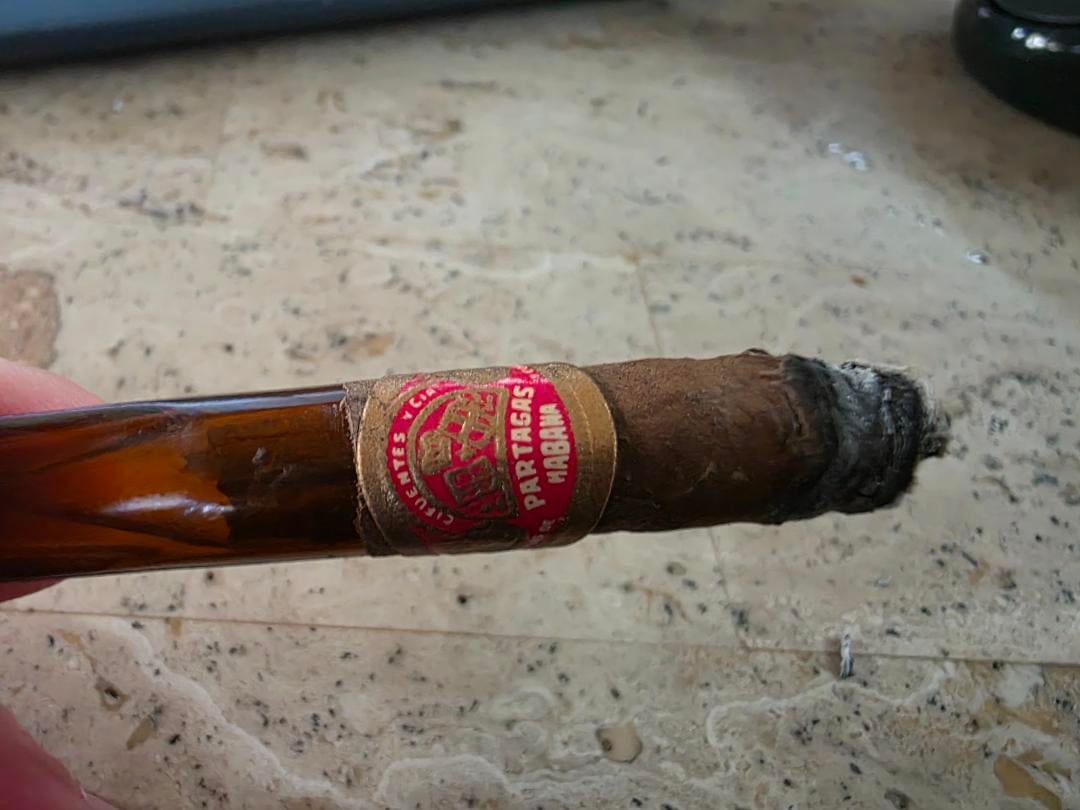
Old school Partagas Chicos. Brutal. Brilliant.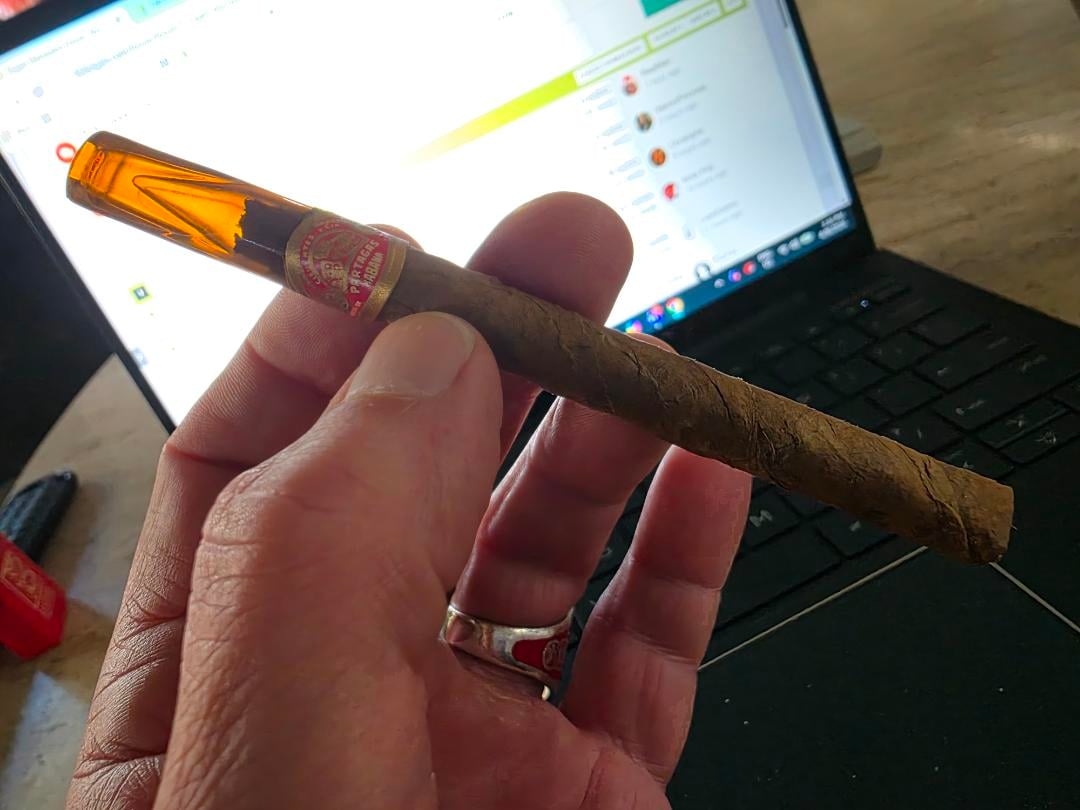
-
Correct
-
Does Rubio have a point??
El Presidente replied to VeguerosMAN's topic in Cigars Discussion Forum "the water hole"
Cuba has Iran keeping the US occupied...for the time being. I am just suppositioning that Cuba and Iran will drag out the process of negotiation out to November if they can. I doubt the Republicans will want to go into midterms with 2 conflicts unresolved. That makes the next 8 weeks for Cuba/Diaz especially critical. Regardless of midterms, Cuba in it's present form is unlikely to continue. There is little income. With the new US Administration rules effective 1st of June, the last of the major foreign companies have cut ties. ourism down over 50% in the past 18 months. -
https://www.abc.net.au/news/2026-06-03/abs-estimates-80pc-of-tobacco-used-in-australia-illegal/106756000 ABS estimates 80pc of tobacco consumed in Australia last year illegal amid 'rapid growth' in black market An estimated 80 per cent of the cigarettes and other nicotine products consumed in Australia last year were illegal, according to the Bureau of Statistics, which has analysed the "rapid growth" of the black market for the first time. Data released by the ABS today found nicotine consumption increased by almost 40 per cent between 2017 and 2025, while household spending on legal tobacco products fell dramatically over the same period. "The increase was underpinned by a large rise in illicit cigarettes as well as increases in e-cigarettes and other nicotine products," the ABS analysis found. "Consumption from illicit sources, as a share of total tobacco consumed, rose from 12 per cent in 2017 to 80 per cent in 2025." The experimental estimates are based on "nicotine metabolite concentrations" detected in wastewater samples, combined with data showing a collapse in household spending on legal cigarettes and vapes. In its analysis, the ABS points out prices for legal tobacco have almost tripled since 2016, driven by steep increases in the excise, which experts blame for creating a black market that has spiralled out of control. "These numbers put it in the most stark terms possible," said James Martin, a Deakin University criminologist who described the findings as "absolutely staggering". "This is a massive policy failure and requires a radical rethink. "It's simply not possible to enforce your way out of a mess of this size." Australia has among the highest cigarette prices in the world, with the tax alone increasing by more than 200 per cent in the past decade. Illegal cigarettes can sell for about $25 a pack. (Supplied: Australian Border Force) The excise is now worth $1.52 per stick (more than 80 per cent of the total cost), pushing the price of a packet of 25 cigarettes well over the $50 mark. Under-the-counter cigarettes sell for around $25 a pack and are being imported in huge quantities, mainly from Asia and the Middle East. Tax has been the cornerstone of efforts to drive down smoking rates in Australia from about 25 per cent of adults in the early 2000s, to around 10 per cent today, which is why public health experts are in favour of a high excise. Excise downgraded by $8 billion Historically, the tax was increased twice yearly in line with inflation, but in 2010 — along with its plain-packaging reforms — the federal government started taking a more aggressive approach. In that year, the tax was increased by 25 per cent, followed by annual hikes of 12.5 per cent between 2013 and 2020. These hikes were in addition to the twice-yearly increases, which are now pegged to average earnings rather than inflation. Critics say the steep increases have pushed Australians to a black market that is robbing the federal budget of billions of dollars and forcing legitimate retailers to shut down. In the latest federal budget, Treasury downgraded tobacco excise revenue by $8 billion over the next five years. While the Coalition is open to reducing the tobacco excise to encourage smokers to shift to the legal product, the Albanese government has resisted calls to change tack. Instead, it has focused on bolstering enforcement at the border, appointing an Illicit Tobacco and E-cigarette Commissioner, whose latest report estimated illegal cigarettes and vapes made up 60 per cent of the total market. That report was limited to cigarettes and vapes while today's ABS data included all nicotine products including pouches. "Estimated excise evaded ranges from $7.7 billion to $11.8 billion," the report stated, quantifying the amount of revenue being lost to the black market. Border Force last year seized more than 2.66 billion illegal cigarettes at the border, up from 480 million in 2016. Asked recently about calls to cut the excise, Treasurer Jim Chalmers said he was "sceptical" that it would achieve what critics were hoping. Assistant Customs Minister Julian Hill dismissed the idea altogether. "The excise argument simply doesn't stand up to scrutiny," he told the ABC. "What magic level of excise reduction would make any material difference to transnational and serious organise crime profitability? "The option is not to surrender our nation's health policy to organised crime or condemn the next generation to the scourge of smoking-related disease and early death.
-
Does Rubio have a point??
El Presidente replied to VeguerosMAN's topic in Cigars Discussion Forum "the water hole"
You thought wrong. Try harder. -
The FIFA World Cup kicks off June 12 ⚽ If you were picking your starting 11 for a Cigar equivalent, pick your cigars for the 11 positions available as per the below. Nominate your 1-11 keeping in mind the position described.

-
Does Rubio have a point??
El Presidente replied to VeguerosMAN's topic in Cigars Discussion Forum "the water hole"
Heads up. Members are free to discuss the topic as it is indeed Cuba/US related. However, members may need to work on how they present their "arguments" so that such "arguments" are presented in a manner that is enlightening and in no way aggressive. FOH is not X. Do better. -
Iberia suspends Madrid-Havana flights until November as Cuba tourism struggles Flights to Cuba are becoming an increasingly rare commodity, with the news that yet another airline has announced it is suspending connections to the Caribbean island amid the ongoing jet fuel crisis prompted by Middle East hostilities. Spanish carrier Iberia is ceasing flights between Madrid and Havana until at least November 2026, following a previous decision made in April to suspend operations between the two capitals between June and October. Havana’s now extended absence from the airline’s schedules until November reflects jet fuel shortages and operational difficulties since the closure of the Strait of Hormuz at the end of February 2026. The lack of supplies of A1 jet fuel on Cuba, including at Havana’s main hub José Martí, had already led to Iberia progressively reducing timetables and needing to make refuelling stops and technical calls in the neighbouring Dominican Republic. The decision from Iberia puts them among what seems to be a growing list of international airlines that have now stopped flying to Cuba. Air Canada, Air France, and Turkish Airlines have also temporarily suspended their Cuban operations due to similar logistics and supply issues, with Air Canada laying on special flights to bring around 3,000 otherwise stranded passengers home. Though flights may be sought-after by some travellers, in general, demand for the island locals call El Cocodrilo has fallen, as the shortages on Cuba ripple through the travel sector, affecting services at hospitality venues, for tour operators, and even taxi providers. The lack of oil imports on which the nation relies is affecting electricity supplies and has caused hours-long power outages, as well as lengthy fuel queues, reduced bus timetables, and cut opening hours for key businesses such as banks. Cuba’s once-thriving tourism industry hit a peak around 2017, with hard currency revenues hitting $3.3 billion USD, but has been severely stymied by the COVID-19 pandemic and various international sanction packages. In contrast, between January and April 2026, the island received just 328,608 international tourists, down 55.8% from the same period in 2025, according to figures linked to Cuba’s National Office of Statistics and Information. So, the sector, formerly a major contributor to the national economy, is now increasingly isolated in terms of air connectivity and suffering the duress of the worldwide fuel crisis on top of its own wider energy and infrastructural issues, with aging and inefficient facilities. Some commentators also point out the problems have been made worse by regional policies pursued by United States President Donald Trump, which have further restricted the island’s fuel access.
-
US sanctions interrupt Visa, Mastercard payments in Cuba Havana (AFP) – Visa and Mastercard payments in Cuba will be suspended from Saturday after US sanctions prompted a foreign bank to sever ties with a state-backed financial institution, Cuba's central bank said Wednesday. Washington-Havana relations have tumbled as the United States has slapped sanctions on Cuba, which has also been under a US-imposed energy blockade since January. Sanctions have notably targeted Cuba's military conglomerate and major economic player GAESA by freezing its US assets and penalizing companies that work with it. These companies have until Friday to adjust their activities, according to the US Office of Foreign Assets Control (OFAC). In a statement released Wednesday, Cuba's central bank said a foreign bank was severing ties with Fincimex S.A., GAESA's financial arm, due to US sanctions. "On June 2, we received a communication from the foreign bank that processes transactions carried out in Cuba using Visa and Mastercard, informing us of its decision to terminate its relationship with Fincimex S.A.," it said. "As a result of this decision, Cuba is unable to receive income from the sale of goods and services through internationally established cards such as Visa and Mastercard," the statement added, without naming the foreign bank. Sanctioned companies could have their assets frozen or encounter difficulties in accessing the international financial system.
- 1 reply
-
- 2
-

-
Does Rubio have a point??
El Presidente replied to VeguerosMAN's topic in Cigars Discussion Forum "the water hole"
I am fairly confident Diaz and Co have little concern for the Cuban populace right now outside of keeping them under the heel. Their strategy is to make it to November and hope for a midterm rout. They have to hold on for 20 more weeks. Iran has shown them the playbook. -
This Week: FOH Discord Wednesday 8:30PM NY, 10:30 am Thursday Local Get there Plenty to discuss: General International Shipping Update. New US Administration rules for companies dealing with Cuba effective 1/6/26 New cigars Fab 5. Bring whatever you like to smoke! The original thread to connect to Discord is below: https://www.fohcigars.com/forum/forum/120-foh-247-video-only-cigar-lounge-on-discord/
-
- 2
-

-

-
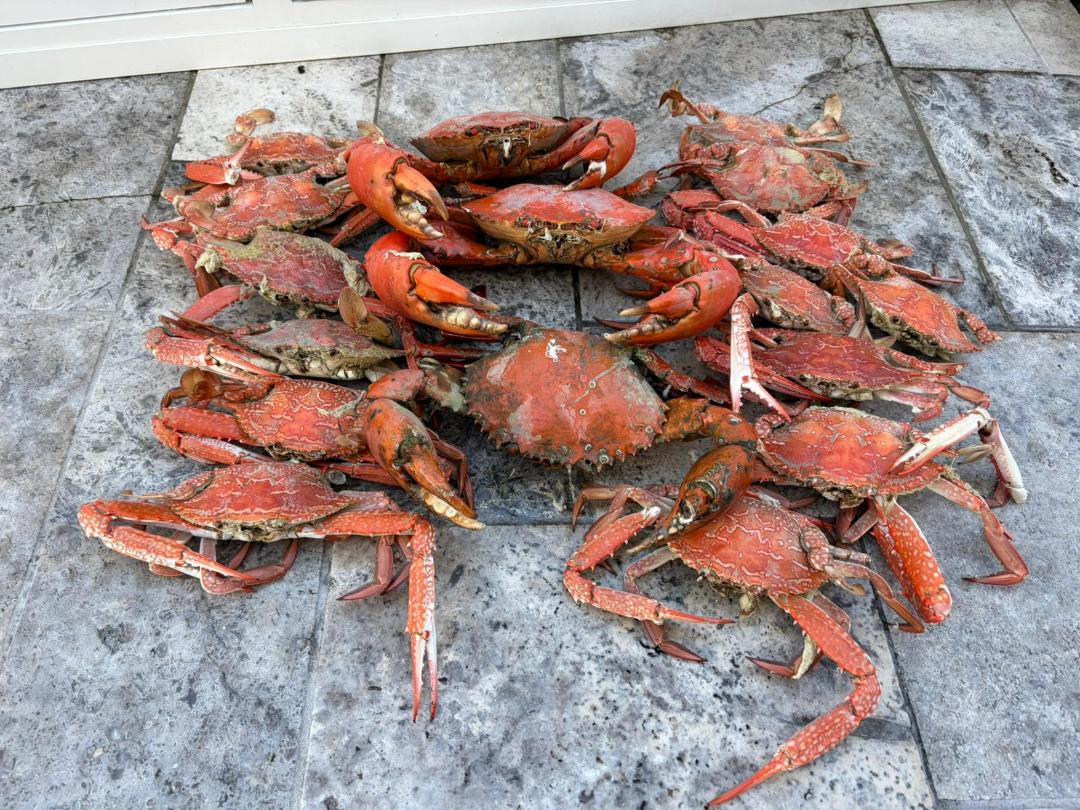
My good mate PJ caught a nice haul of crab Sunday......but not before a visit from the local tax man. 😉 VID-20260601-WA0000.mp4
-
- 10
-
-

-
Good Story Before Bison Head moved in, the building had been a dry cleaner that displayed an old, broken sign that was apparently important enough to be deemed historic by a local preservation body connected to the city. Lewis says the city wanted him to put it back up. "One big issue with that is we're not a dry cleaner," he says. "Another big issue with that is the sign is broken." The sign was old neon, the kind that requires specialist labor to repair. The estimated cost was "upwards of $10,000." Lewis offered the city a deal. If it wanted the dry-cleaning sign preserved as a historic landmark, Bison Head would keep the sign, bill the city for the roughly $10,000 refurbishment, and let taxpayers know exactly what their money had been spent on. "All of a sudden," Lewis says, "the sign issue went away." CONTINUED
-
- 3
-
-
-
Your Best Cigar Experience of May 2026/last 30 days? That cigar that over the past 30 days, stays in your memory more than any other. That cigar that if you can close your eyes...you can still recall every delectable detail Your best cigar experience of May 2026/last 30 days?