

Search the Community
Showing results for tags 'Cigar History'.
Found 2 results
-
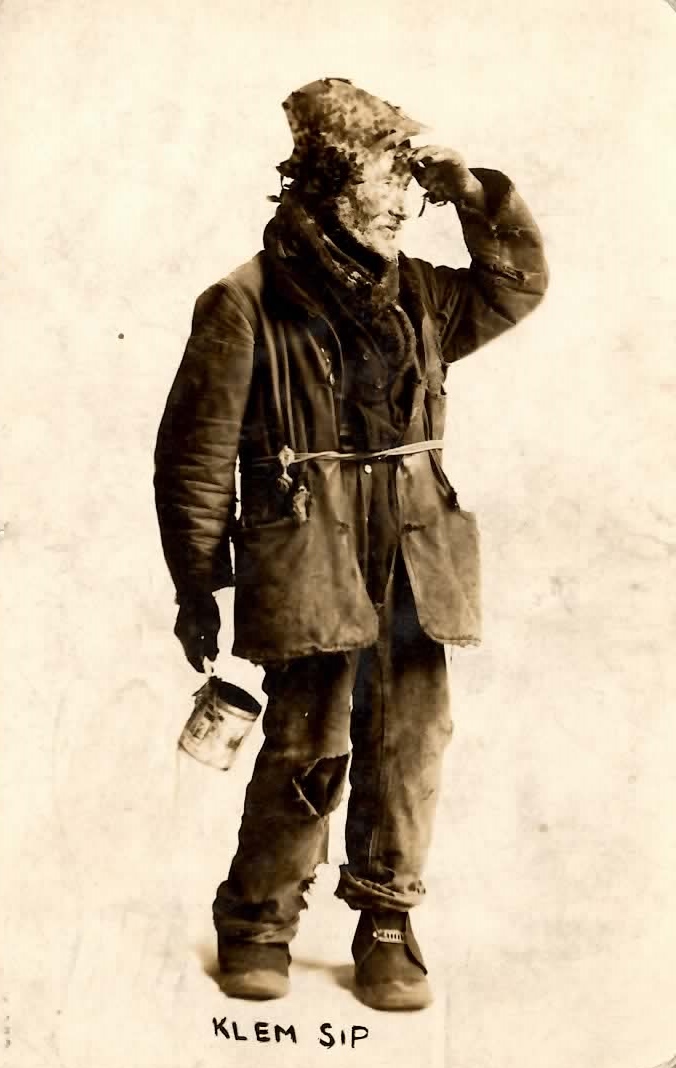
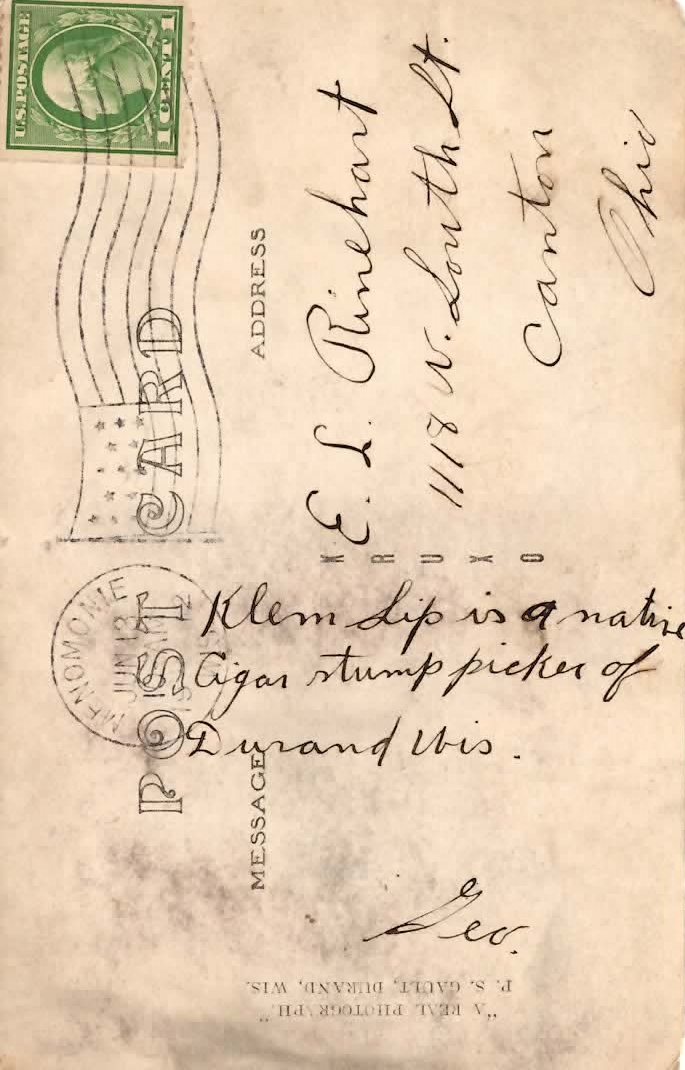
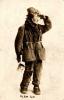
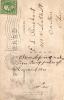
When the going got tough, then the great depression hit hard and you were a die hard cigar lover but had no money, you could resort to being a cigar stump picker! This is just an unbelievable piece of history, apparently Clem Sip, the fellow pictured on the front of this postcard, notice he has his can to put the cigar stumps into it, was a native cigar stump picker from Durant, Wisconsin. Let's say you spot someone smoking a 1492, a cigar that most of have not even seen, the dude is enjoying his 1492 immensely as he sips on a shot of Louis XIII cognac, he does not smoke it down to the nub, but leaves the band and a good sized stump, pays his bill and walks away, you're sitting at the next table, what should you do? You're thinking the dude has germs, but then again, the cognac probably killed all of the germs, do you go for it?
-
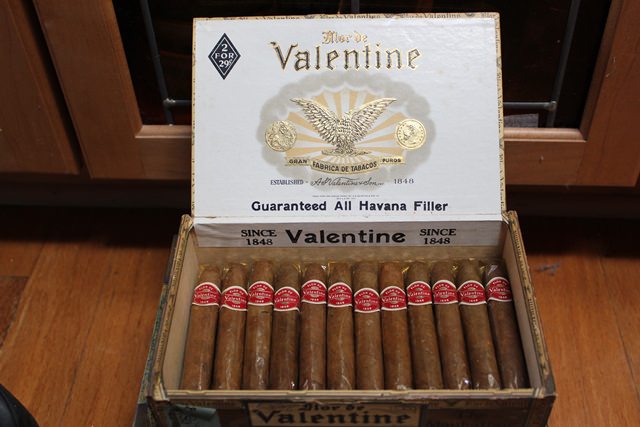
In 1831 seven year old Adam Valentine begins working as a stripper in a cigar factory in Rehrersburg, PA. Two years later, at age nine, he becomes a roller. At age 16, he moves to Womelsdorf, PA, marries at 20, and starts his own factory at 24. That's the stuff of Hollywood movies, right? In 1840, a young journeyman cigar maker named Adam Valentine strolled into Womelsdorf. At the tender age of 16, Valentine already had seven years of cigar rolling under his belt. Having learned the trade at the hands of cigar men in Lebanon County, he crossed over to Berks with plans to strike out on his own. By the time he died in the late 1800s, Valentine owned 17 factories and produced numerous brands of cigars with patriotic names such as the General Greene and Betsy Ross. His presence in western Berks County spawned an industry that turned Womelsdorf and nearby communities such as Myerstown, Newmanstown and Wernervsille into a cigar-making region. "At one point, there were 38 cigar makers in this little town," said Earl Ibach, a Womelsdorf historian who chronicled the history of cigar making in his book, "Tulpehocken Cigarama." Ibach's family manufactured cigars in Newmanstown at the turn of the 20th century. Many of the local cigar makers were mom-and-pop operations working out of spare rooms, Ibach said. But men like John Smaltz, Henry Hackman and Edgar Fidler rose to prominence in the area because of their cigar companies. Womelsdorf owes much of its success to Valentine, who was the first to bring the trade to the borough, Ibach said. "It caught on, and that was that," he said. For as much as Womelsdorf is surrounded by fertile farm fields, few farmers in Berks grew tobacco. Instead, nearby Lancaster County supplied some of the leaves for cigar making, and tobacco also came from New York, Connecticut and Wisconsin. Cigar makers used a variety of tobacco strains to give their cigars taste and aroma, Ibach said. Most made six or seven brands, and they periodically introduced new lines. "My family made cigars by curing the tobacco in apple cider in order to give it flavor," said Ibach, who stripped tobacco leaves as a boy. Eventually, cigar making in Womelsdorf petered out. The last box rolled out of Womelsdorf in 1960, when the M.H. Smaltz & Son Inc. factory closed shop. Cigar making, however, is still fondly remembered in the Tulpehocken region. In fact, tonight, folks in Richland, itself a significant cigar maker back in the day, will drop a 6-foot cigar to ring in the new year. It's the fourth year this Lebanon County town has dropped a cigar on New Year's Eve. So that's the story behind this rather obscure cigar box and that 1848 date!!